The Figure of the Archive: Research Seminar Series (2025-2027)
Prof. Mick Wilson (HDK-Valand), Prof. Jyoti Mistry (HDK-Valand) and Dr. Nick Aikens
Ongoing
Figuring
“at the same time that history as a discipline became more critical of its archival practices, society as a whole was seized by an archival frenzy bordering on compulsive hoarding.”
In taking the imaginary as a focus of analysis or as a process for study, the “figure” is a construct that is used to indicate the clustering of a set of images, narrative elements, motifs and constellations of idea/image/story-fragments that while not settling into the categorical fixity of a concept, nonetheless operate as a recognizably consistent constellation —in multiple variants —across texts, sites, utterances…. “Figure” is a term originally produced within rhetorical analysis; however, it has evolved with psychoanalytical and other ways of thinking about meaning making in the 20th C. The archive is a potent “figure” in the contemporary art field and especially in artistic research.
In their important contribution to the question of figuring, Celia Lury, William Viney, and Scott Wark in their (2021) Figure: Concept and Method, outline an approach that resonates with our work on the figure of the archive:
We aim to address how figures, figuring and configuration provide a way to study complex, contemporary problems and processes that require interdisciplinary approaches. We outline how individual contributions make use of figures, figuring and configuration. We demonstrate what is at stake in the analysis of figures, the practice of figuring, and the compositions of configuration.
…
Long into the medieval period, figura signified ways of knowing that connected signs to material and historical life.
…
Although Auerbach did not intend his methods to be either sociological or political, thinking with figures has accompanied a variety of approaches in the social sciences, the humanities and political practice. For example, Georg Simmel’s sociology used the figures of the stranger, the poor and the adventurer to illustrate a more general condition, whereby “each person is called to realize his own, his very own prototype.(1)
The Figure of Archive
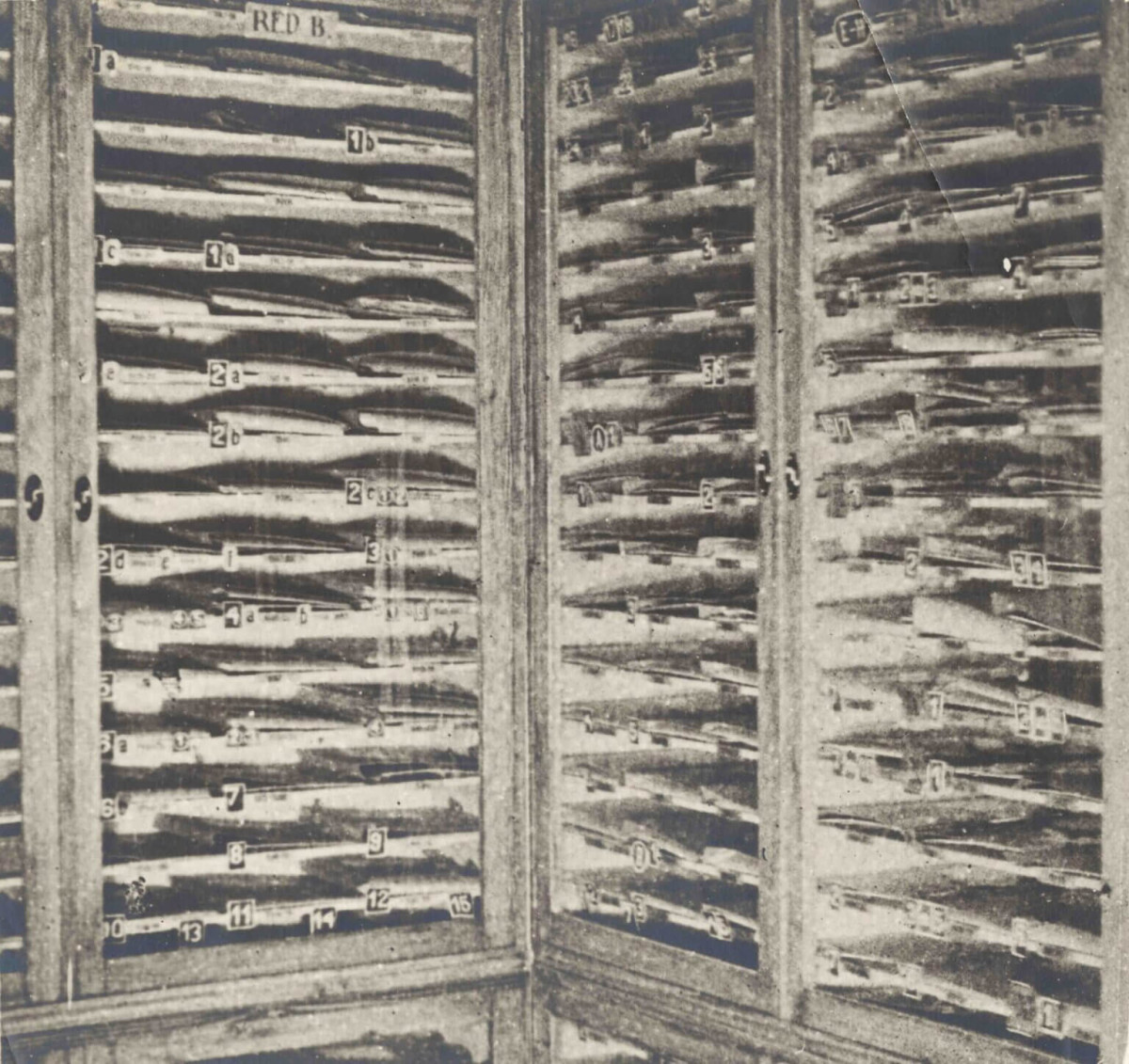
The archive has been a central pre-occupation over several decades for both the organizational infrastructure and the practical production of contemporary art. Indeed, it might be argued that the archive has become the enabling and the limiting horizon of many cultural practices. It often seems that all forms of collection, all forms of memory work, and all forms of programme are only conceivable through some appeal to the figure of the archive. Even the desire for alternative cultural politics, including decolonized and counter-hegemonic practices, seem to predicate themselves on alternative archival models and archiving otherwise. See for example:
In this seminar series we explore the reasons for this ascendancy of the figure of the archive, the different ways in which it has been experimentally re-constructed, and the wider contexts of current archival impulses across contemporary art.
Adina Arvatu has noted that the “figure of the archive has immense cultural and methodological significance in what we, in our posthuman(ist) age, still call ‘humanities’: Foucault and Derrida … contributed largely to this significance. They thematized the ‘archive’ (in the singular) and endowed it with an unmistakable (yet often misunderstood) figurality.”(2) In this research seminar we focus not on the humanities per se but rather we consider some of the different ways in which the archive functions as a figure within specific artistic research projects.
In approaching the archive as a figure, we are drawing upon a wide range of recent approaches to figuration, such as that outlined by Donna Haraway in a recent interview where she described how:
Figuring is a way of thinking or cogitating or meditating or hanging out with ideas. I’m interested in how figures help us avoid the deadly fantasy of the literal. Of course, the literal is another trope, but we’re going to hold the literal still for a minute, as the trope of no trope. Figures help us avoid the fantasy of ‘the one true meaning’. They are simultaneously visual and narrative as well as mathematical. They are very sensual.(3)
The Seminars
Seminar 1 with Marc Johnson, Dr. Karl Logge and Dr. Arash Deghani. 1 October 2025.
Seminar 2 with Prof. Jyoti Mistry, Dr. Fiona Hallinan and Monika Gabriela Dorniak 2 March 2026.
Seminar 3 with Dr. Michele Masucci and Jason E. Bowman 17 June 2026
Seminar 4 with Monica Storss and Jason E. Bowman 21 September 2026
References
(1) Celia Lury, William Viney, and Scott Wark (eds.) (2021) Figure: Concept and Method. (Accessed 8/6/2025.)
(2) Adina Arvatu (2011) “Spectres of Freud: The Figure of the Archive in Derrida and Foucault”, citing Pierre Nora, general editor’s introduction’ to Les lieux de memoire. (Accessed 8/6/2025.)
(3) Martha Kenney and Donna Haraway (2023) “Anthropocene, Capitalocene, Chthulhucene: Donna Haraway in conversation with Martha Kenney”, M+ Magazine. (Accessed 8/6/2025.)