Our Common Grounds: Seminar Series (2026-2027)
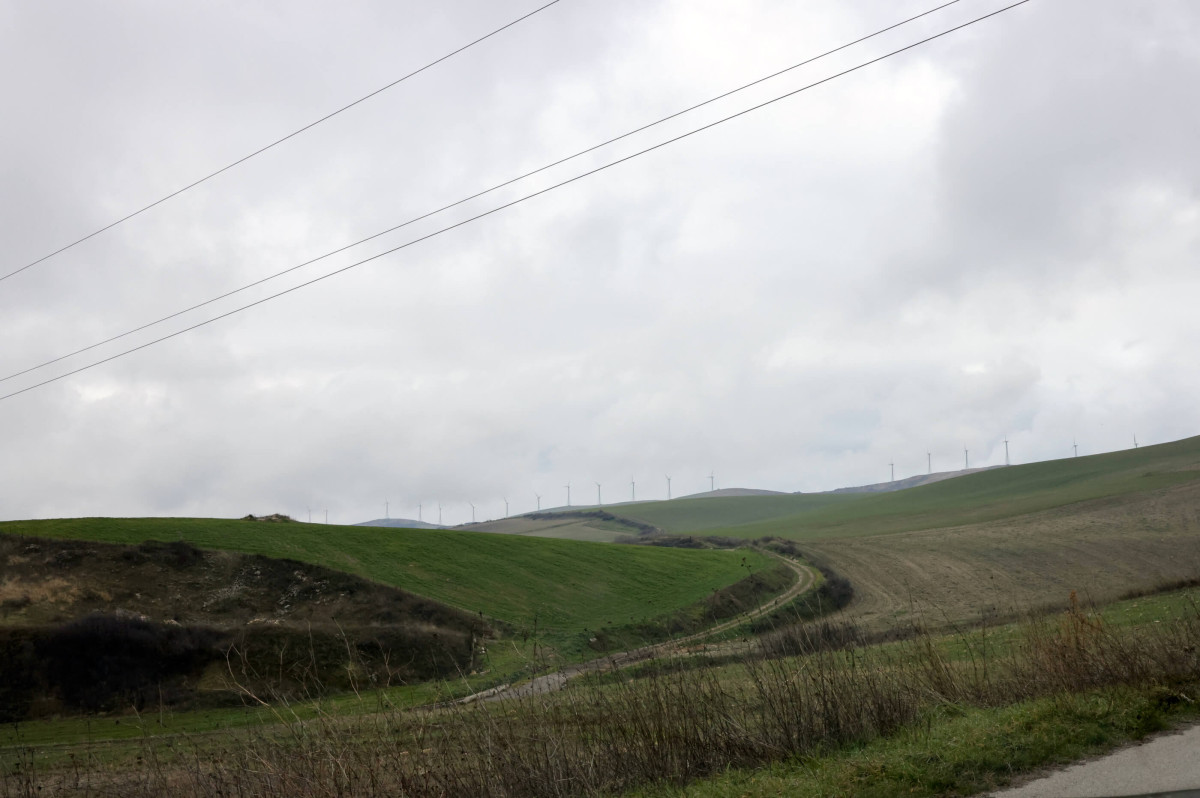
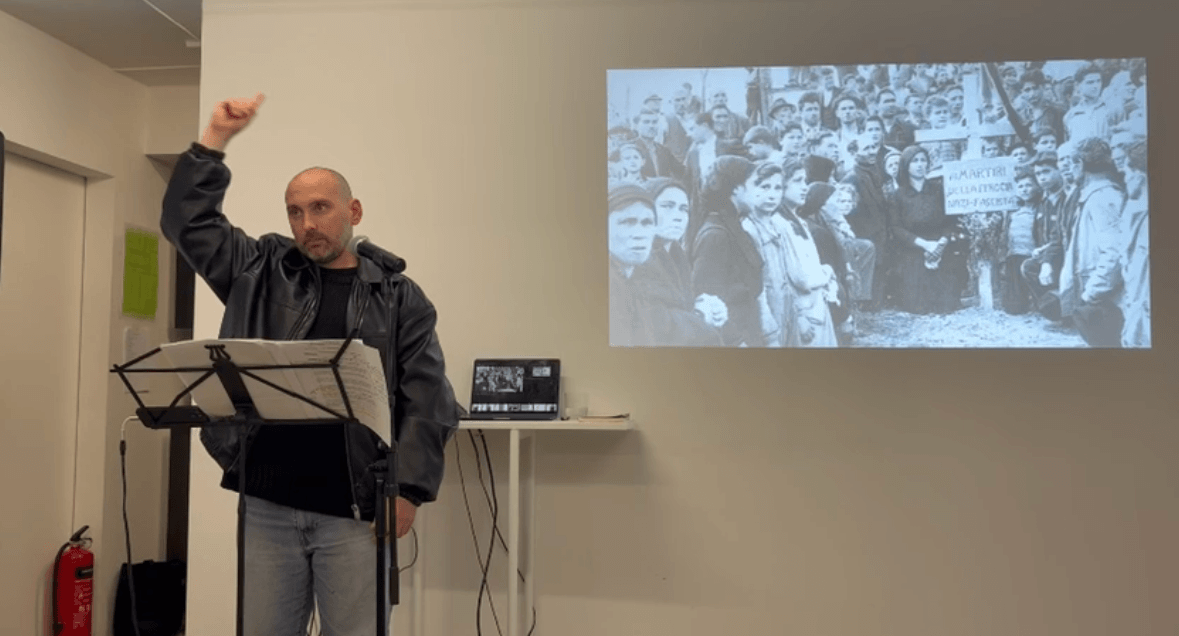
Our Common Grounds is an open research seminar series that brings artistic research into conversation with microhistories of rural revolt, agrarian struggle and the collective organisation of commons, past and present.
The series begins from a set of tentative questions rather than a fixed programme. How can apparently local episodes make wider political and material relations visible? How have people collectively reorganised land, labour, food, water, care and decision-making? What forms of knowledge and political imagination emerge through occupations, uprisings, cooperatives, communal land practices, anticolonial struggles and contemporary movements against enclosure and extraction? Participants are invited to extend, revise or complicate these questions through their own research and experience.
Commons are approached neither as inherited traditions nor as inherently harmonious communities. The seminars will examine commoning as a contested practice, shaped by conflicts over ownership and use, internal hierarchies, gendered and racialised labour, displacement, migration, state authority and the uneven distribution of resources. Who can participate in a commons, under what conditions, and who remains excluded?
The seminars are intended as spaces in which research processes can be made visible and discussed collectively. A session may be organised around a tentative research question, an archival fragment, a testimony, a film, a literary or theoretical text, an unfinished artistic work, a methodological difficulty or a proposed site of inquiry. Contributors will be invited to share not only what they have found, but how they are working: how sources are located and interpreted, what remains absent or inaccessible, how relationships with participants and places are formed, and what ethical or political questions arise in the process.
Relevant materials might include official records, oral accounts, songs, gestures, images, landscapes, family memories and collective practices. Methods may include oral history, writing, performance, sound, filmmaking, translation, visual-textual montage, archival research and collaborative fieldwork. Preliminary materials and unresolved methodological questions are welcome; presentations need not take the form of completed papers or projects.
Where appropriate, seminars may lead to research visits, walks or encounters with particular sites, archives and communities. These might include landscapes marked by revolt, former or existing commons, farms, cooperatives, waterways, infrastructures, local archives or places undergoing enclosure and extraction. Site-based activities will be developed in relation to the people and histories connected to them, with attention to access, consent, reciprocity and the risks of extractive research.
Connections between territories will not be assumed in advance. Distinct histories of colonialism, internal marginalisation, racialisation, linguistic suppression, migration and extractive development will be brought into dialogue without being treated as interchangeable. The aim is to develop comparative and situated forms of inquiry attentive to both structural relations and historical differences.
The series grows from conversations among an informal constellation of artists and researchers and now opens this exchange to a broader artistic and research community. Activities may include collective readings, presentations of research in progress, invited conversations, screenings, methodological workshops, site visits and collaborative inquiries.
Artists, writers, filmmakers, researchers, historians, translators, archivists, activists, farmers, community organisers and others with relevant knowledge or experience are welcome. Institutional affiliation and completed projects are not required.
The opening meeting will provide an opportunity to encounter one another’s practices, share tentative research questions, methodologies, sources and possible sites, and consider how the seminar series might develop. Participants are invited, but not required, to bring a text, image, document, testimony, song, artwork, site or unresolved question to introduce to the group.
Participation is free. To receive information about forthcoming seminars or propose material for discussion, contact Michele Masucci at michele.masucci@kkh.se.
Register for the start-up seminar here.
Related research projects
The series is related to Territories of Imagination, an artistic research project on the 1943 rural revolt in Maschito, southern Italy. Read more.