Commissioning & Curating Contemporary Public Art, 2026
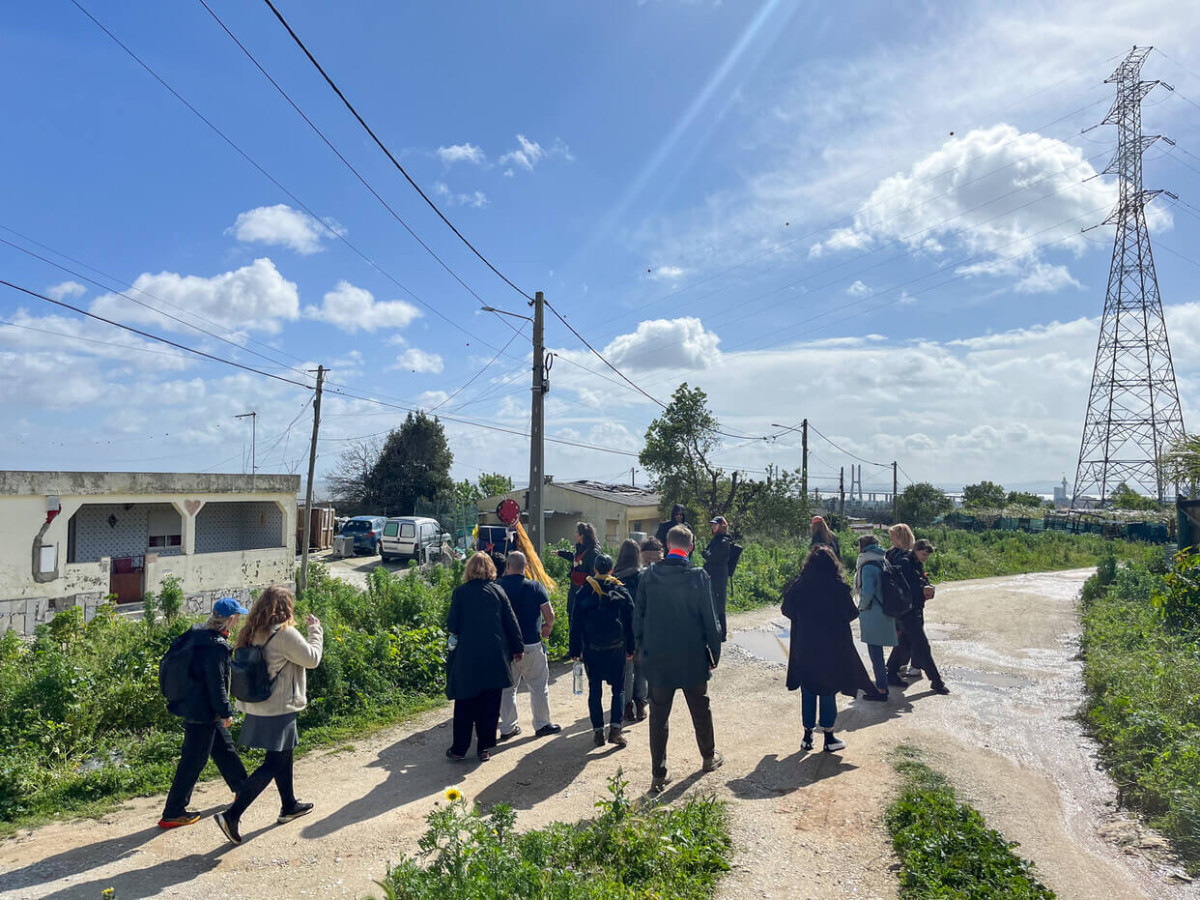
Dr. Kjell Caminha, Kerstin Bergendal, Jason E. Bowman, Dr. Maddie Leach, Dr. Kerry Guinan and Prof. Mick Wilson
Online course
This is a one-year, long-distance, part-time course, at advanced/masters level, introducing key practices and debates in working with art in the public realm. A continuing professional development course for curators, commissioners, policymakers, artists, communities, activists, planners, architects and other professionals interested in the questions of commissioning, curating, and maintaining / de-commissioning contemporary public art. This international course, delivered in English is based on a combination of distance education and participation in at least two intensive workshops (from a set of four). Workshops and intensives in 2026 will be in Gothenburg, Sweden (March 18–20 and November 25-27); Lisbon, Portugal (May 13–15); Chișinău, Moldova, and Iași, Romania (July 21–25); and Riga, Latvia (September 23–25). For a review of the 2023 iteration of the course see Catherin Schöberl’s “Publicness as Practice” in e-flux Education.
Ideas and approaches
What is the nature of public art? What do the policymakers, commissioners, curators, artists and others working with public art need to know about this expanded field of practice? What are the processes and frameworks that operate when art is created in, and for, public space? How is public art implicated within spatial imaginaries of rural, urban, exurban, infrastructure, development and the touristic gaze? What do communities wishing to invite public art into their environments, or wishing to instigate public art commissions, need to know in order to pursue their desires and ambitions? Who can commission public art? Who is it commissioned for? What about decommissioning? What about failure? What are the spaces of “publicness” in an era of climate change, population displacement, digital networks, war, and the privatisation of space? How can curators, commissioners, communities, artists, and other practitioners effectively move between ideas and ideals of public culture, and the pragmatic contexts of actual decision-making, production, procurement, installation, and planning processes? What, if any, are the possible relationships between public art, local democracy and the political imaginary? Is publicness a Euro-centric construction of colonial-modernity?
These questions are approached through conflicting perceptions of public space, public culture, and the contested themes of “the public sphere”. We emphasize the interaction of theory and practice, so as not to privilege theory over practice, but rather to look at how different perspectives—rooted in practice as well as informed by theoretical analysis—connect to different possibilities in realising art as an integral part of public life.
This course is an associated initiative of Centre for Art and the Political Imaginary (CAPIm).
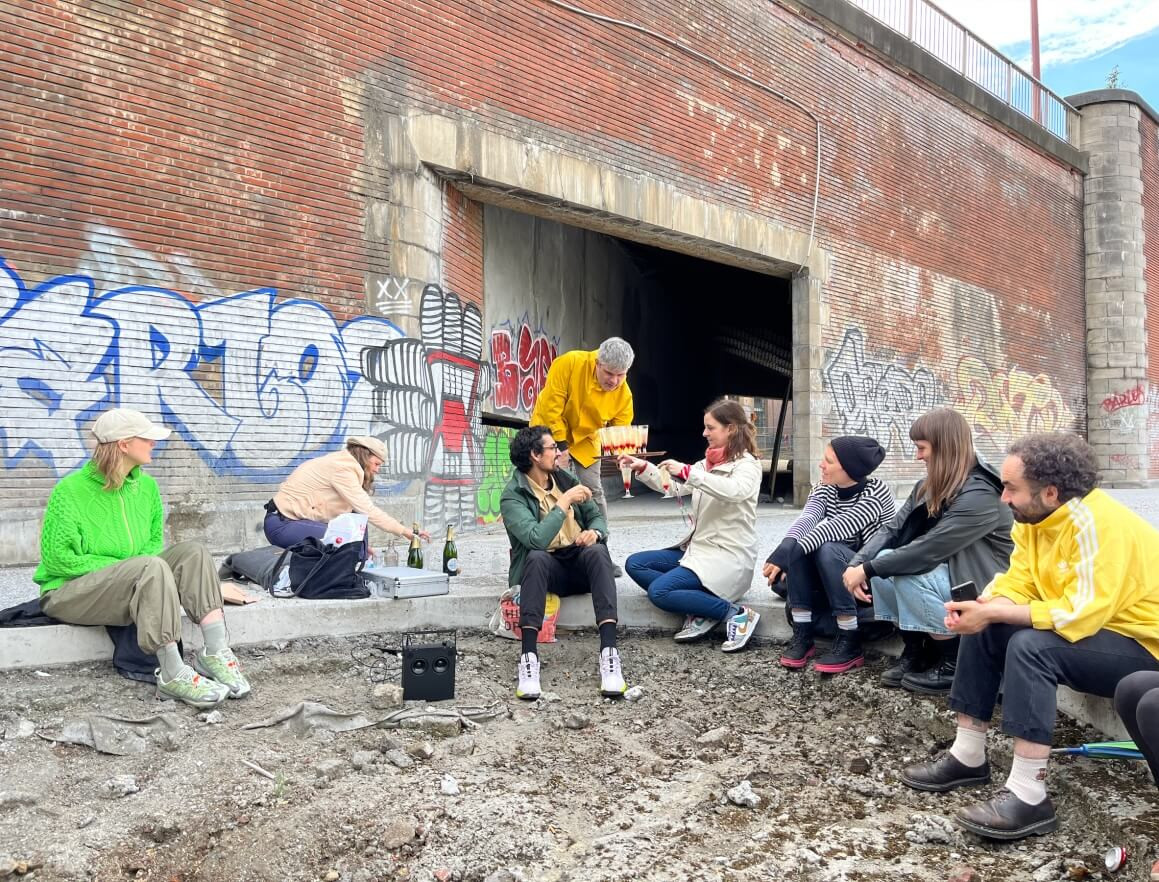
Practicalities
Participation in the course means that your contributions to discussion in response to the formal presentations may be recorded for this purpose.
The formal presentations can be attended live and also accessed via recordings published online, at whatever time suits your personal timetable needs. However, it is strongly recommended that you attend the ‘live’ online discussion sessions, and giest presentations, as these will not always be recorded. Attending ‘live’ offers the best opportunity to interact with the other participants on the course
Conditions for participation
No fees for EU and EEA citizens, Swedish residence permit holders and exchange students. Students are responsible for organising their own travel and accommodation and for their own costs attending workshops, and for their own costs of attending any intensive workshop. We welcome PhD researchers from anywhere in the world, who can apply to audit the course for free as a guest researcher at HDK-Valand’s doctoral programme in artistic practices. Please contact Prof. Mick Wilson with “guest PhD researcher request” in the message header.
Application Procedure
Admission is based on a letter of intention in English stating why you wish to attend the course and an updated CV. Admission is closed for 2026. The 2027 course will be open for application in mid-September to mid-October 2026. See the Swedish national portal for educational courses.